ADU Setback Requirements: How Close to the Property Line?
4 min read
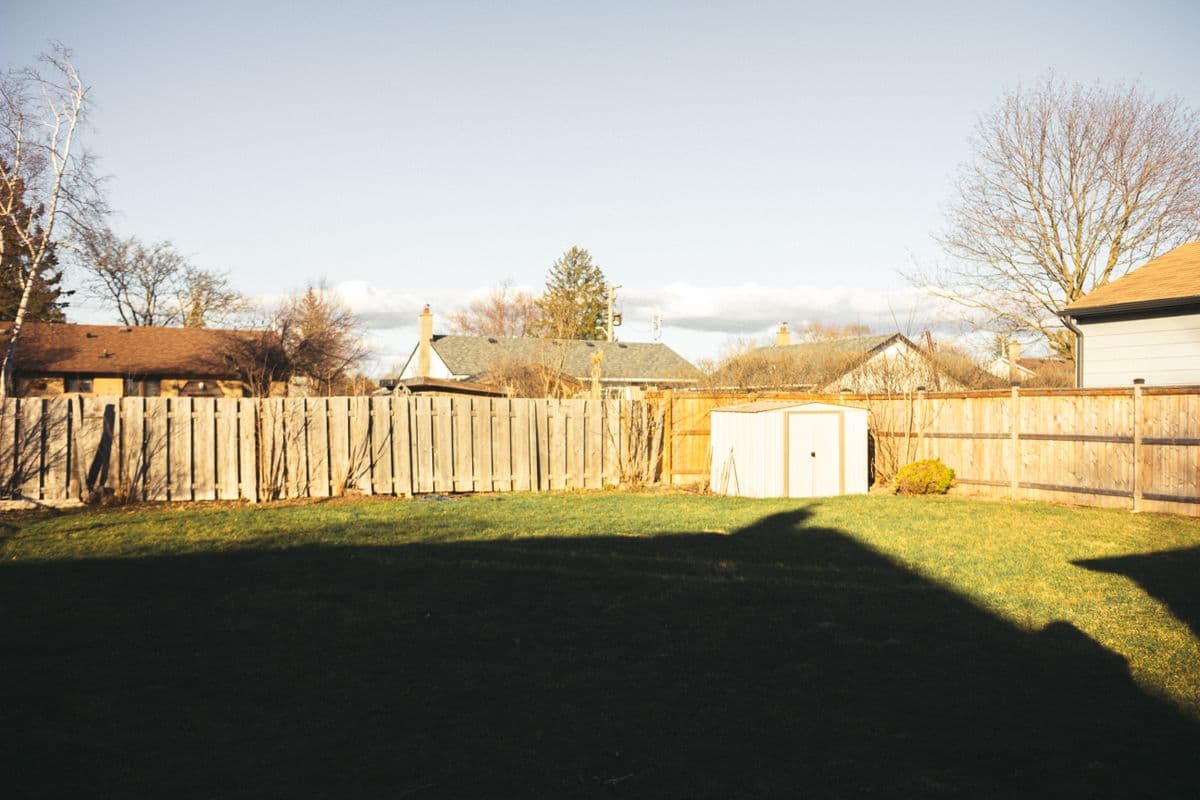
Setbacks are the minimum distance your ADU must be from the property line. They directly affect whether a given lot has room for an ADU at all — especially on smaller infill lots.
California: 4-foot maximum setback
California Government Code 65852.2 caps rear and side setbacks at 4 feet for ADUs that meet state law standards. No city can require more than a 4-foot setback from the rear or side, though a larger street-facing setback may still apply. This is one of the most important ADU preemptions in the country.
Other states and typical setback rules
- Washington: no more than 5 feet from rear or side (HB 1337).
- Oregon: no more than 4 feet for lots subject to the state mandate.
- Texas, Florida, other states: no statewide preemption — setbacks are whatever the local code says, often 5–10 feet.
How setbacks affect lot coverage
Even if your jurisdiction allows a 4-foot setback, lot coverage limits (the maximum percentage of a lot that can be covered by structures) may independently constrain the ADU footprint. Check both the setback rule and the lot-coverage limit for your parcel.
Run your lot through the ADU feasibility calculator →Setback rules vary by parcel, zoning district and whether your lot is in a fire hazard severity zone. Always verify with your local planning department.
Find out what your ADU will cost
Open the calculator →Related guides
Estimates are for planning only and are based on regional construction-cost indices and published statewide ADU statutes. Local ordinances, lot conditions and contractor pricing vary — always confirm with your city planning department and a licensed contractor.